What Questions Should I Ask Before Enrolling In A Program?
Starting a new career is exciting—but it also comes with plenty of decisions. For anyone considering dental assisting, finding the right school is one of the most important choices you’ll make. A great program doesn’t just teach techniques; it prepares you for the real-world pace of a dental practice, connects you with local opportunities, and gives you the confidence to succeed from day one.
At Denver Dental Assistant School, students often come with the same question: “How do I know if this program is right for me?” The answer begins with knowing which questions to ask before enrolling. Taking time to evaluate your options ensures your investment of time and money leads to the kind of career you actually want.
Understanding What Makes a Program a Good Fit
Not all dental assisting programs are created equal. Some rely heavily on classroom lectures, while others focus on real-world training. Tuition, schedule, and support systems also vary widely. The goal isn’t just to find a school—but to find the one that fits your learning style, schedule, and career goals.
As the program manager at Denver Dental Assistant School puts it, “The best students are the ones who ask questions early. It shows they’re thinking about their future and not just checking a box.”
Chris Lofton, Zollege CEO, agrees: “Education is about alignment. When a program and a student’s goals line up, success follows naturally.”
- What Is the Program Length and Structure? Dental assisting attracts many career changers and working adults, so program structure matters. The Denver Dental Assistant School follows an accelerated 12-week format that combines flexibility with rigor. Students learn theory through online coursework and spend weekly in-person sessions inside real dental offices, mastering the practical skills they'll use daily once hired. Before enrolling anywhere, ask how long the program runs and how time is divided between lectures and labs. A hands-on approach typically prepares students better for real-world work than long theoretical modules.
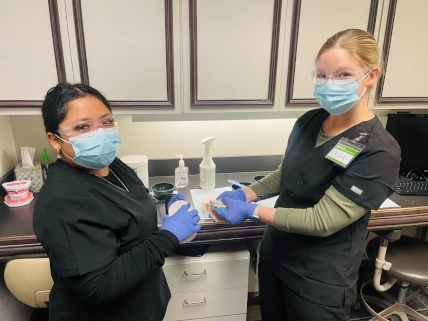
- Where Does the Training Take Place? Training location matters more than most people realize. Denver Dental Assistant School holds classes in active dental offices, not simulation labs. This gives students a head start on understanding real workflows—everything from chair setup and sterilization to communicating with patients. When evaluating programs, ask where you'll practice. Real office exposure builds familiarity and confidence. It also helps you adapt more easily when transitioning to your first job.
- How Are Externships Structured? Externships bridge the gap between learning and doing. Every student at Denver Dental Assistant School completes a 40-hour externship with a local dental office. It's not an optional add-on; it's an integral part of the experience. Students get to assist with real procedures, observe professional teams in action, and understand how a dental office operates day to day. It's also a prime opportunity to make connections that can lead directly to employment. When researching programs, ask: * Are externships included in tuition? * How are placement sites chosen? * Will I receive feedback or mentoring during my externship? Programs that prioritize externships show a commitment to student success beyond graduation.
- What Does Tuition Include? Cost transparency is critical. Ask for a full breakdown—what's included in tuition and what might be extra. Denver Dental Assistant School is upfront about costs and offers flexible payment options that make the program accessible to more students. Avoid schools that are vague about fees or that add unexpected charges later. Ask if supplies, textbooks, and scrubs are covered. Knowing the financial picture from the start lets you plan with confidence.
- What Kind of Support Will I Receive? Education doesn't stop when the lesson ends. Students often need guidance on résumés, interviews, and job searches. Denver Dental Assistant School provides this support throughout the program and after graduation. "Students are never on their own," says the program manager. "We mentor them through the learning curve and help them transition into real jobs." Chris Lofton, Zollege CEO, adds, "Our mission is empowerment. Support isn't optional—it's part of how we define quality education." When comparing schools, look for programs that offer hands-on guidance, not just information.
- What Does a Typical Week Look Like? Dental assisting training should prepare you for real work schedules. Denver's students spend about 4.5 hours per week in lab sessions and complete their online lessons on their own time. The structure mirrors the flexibility professionals enjoy in the field. Ask how your week will look: Will labs be on weekends? How much online work is required? Understanding this helps you plan around your current job or family life.
- How Does the School Prepare You for Employment? Beyond skills, you need confidence walking into your first dental office job. Denver's instructors emphasize professionalism—punctuality, teamwork, and patient interaction—alongside clinical ability. The externship connects students with local dentists and practice managers, creating direct pathways to employment. When evaluating programs, ask if they have relationships with local dental offices or if graduates are expected to find their own externships and job leads.
- What Is the Reputation of the School? A program's reputation speaks volumes. Look for reviews and testimonials from graduates. Denver Dental Assistant School's alumni often highlight the blend of affordability, speed, and real-world training as reasons they chose the program—and why they now recommend it to others. If possible, talk to former students about their experiences. What did they wish they'd known before enrolling? Were instructors accessible and supportive? The answers will help you gauge whether the program's culture fits your expectations.
- What Will I Actually Learn? A good dental assisting program should cover far more than the basics. Students at Denver Dental Assistant School learn: * Chairside assisting techniques * Infection control and sterilization * Radiography principles * Impressions and model pouring * Operatory preparation and breakdown * Patient communication and comfort By graduation, you should feel comfortable stepping into any general dental practice and contributing on day one.
- What Sets This Program Apart? For Denver Dental Assistant School, the difference lies in accessibility and experience. The program is short, affordable, and intentionally designed for people ready to make a fast, meaningful career change. The use of real dental offices for instruction ensures that students don't just imagine the work—they live it from the first week. Chris Lofton sums it up best: "We don't believe in education that keeps people waiting. We believe in training that opens doors quickly and effectively."
Asking the Right Questions Leads to the Right Start
The process of choosing a school can feel overwhelming. But asking the right questions reveals what truly matters—support, transparency, and preparation. Denver Dental Assistant School encourages every prospective student to take the time to learn, ask, and compare before deciding.
Because when you find the right fit, your education becomes more than a class schedule—it becomes the beginning of a career built on purpose, confidence, and compassion.
You're 12 weeks from the dental assistant career you deserve.